What You Need to Start Crocheting (Under $25)
If you are asking what do you need to start crocheting, here is the good news: you only need six simple supplies, and the whole list costs less than $25. You do not need a big kit, expensive yarn, or any prior experience. This calm, step-by-step buying guide shows you exactly what to pick up, why each item matters, and what to leave on the shelf for now.
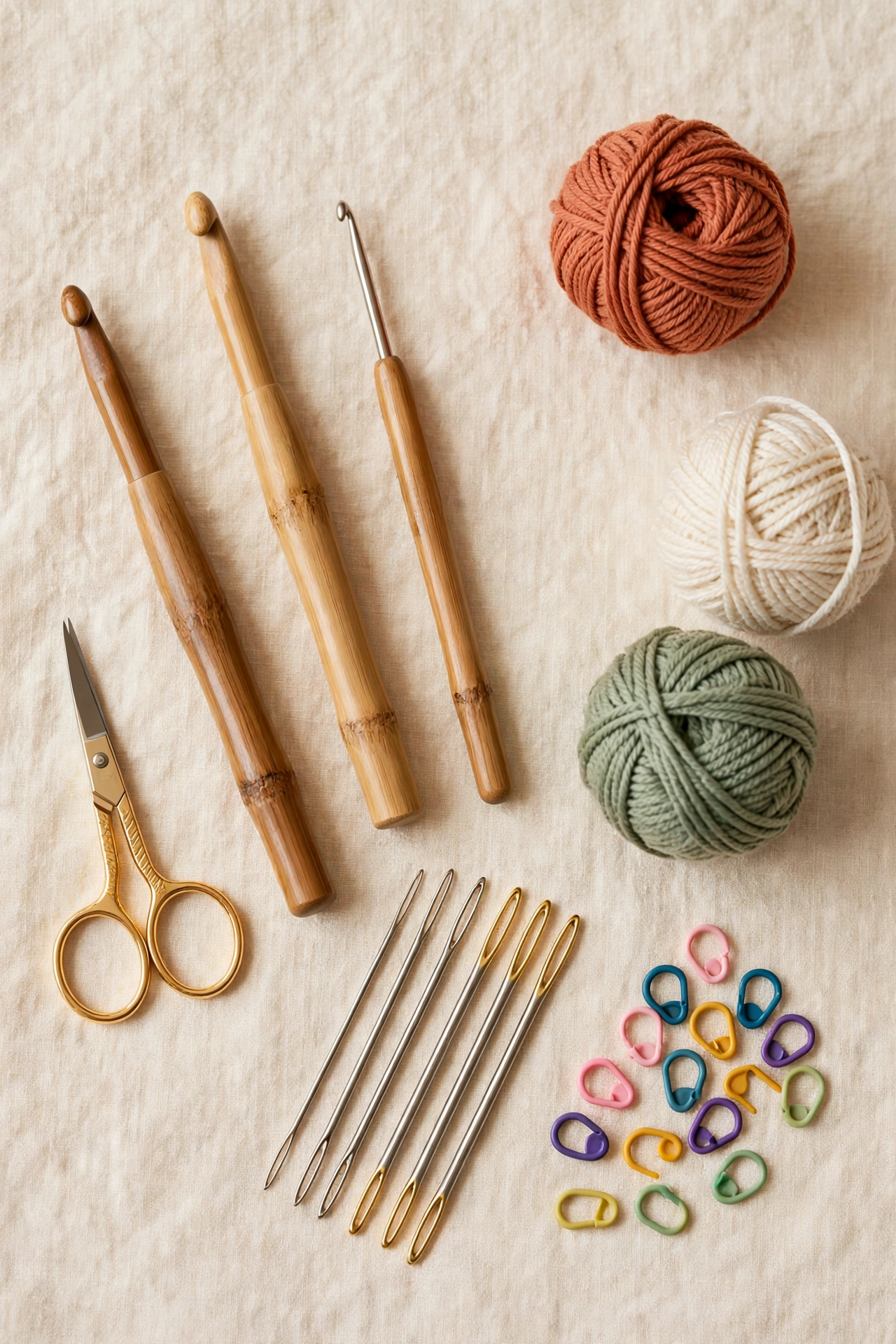
The short answer: You need six beginner-friendly supplies to start crocheting: a 5mm (H-8) ergonomic crochet hook, one skein of medium-weight acrylic yarn in a light color, small scissors, a tapestry needle, stitch markers, and optionally a tape measure. Altogether this costs under $25 and takes about 20 minutes to gather at a craft store.
Table of Contents
- Quick Facts: Your $25 Budget
- Your Shopping Checklist
- The Beginner’s Supply Table
- 1. Crochet Hook: Start With 5mm (H-8)
- 2. Yarn: Medium-Weight Acrylic in a Light Color
- 3. Scissors
- 4. Tapestry (Yarn) Needle
- 5. Stitch Markers
- 6. Tape Measure (Optional)
- What NOT to Buy Yet
- Sample $25 Budget Breakdown
- Frequently Asked Questions
- Final Thoughts
- Your Next Step
Quick Facts: Your $25 Budget
Total budget: under $25
Shopping time: about 20 minutes
Experience needed: none at all
First project: you can start today
Your Shopping Checklist
Save this list on your phone or print it before you head to the craft store. Ticking items off as you go keeps the trip short and relaxed, and it stops impulse buys before they happen.
- ☐ One 5mm (H-8) ergonomic crochet hook
- ☐ One skein of medium-weight acrylic yarn in a light color
- ☐ One small pair of sharp scissors
- ☐ One pack of tapestry needles (2–3 needles)
- ☐ One pack of locking stitch markers (10–20 markers)
- ☐ One soft tape measure (optional but handy)
The Beginner’s Supply Table
Here is the whole starter kit at a glance, with what to look for and what each item typically costs.
| Item | What to look for | Typical price |
|---|---|---|
| Crochet hook | 5mm (H-8) with an ergonomic, cushioned handle | Typically $4–$8 |
| Yarn | Medium (worsted) weight acrylic, light color, 1 skein | Typically $3–$6 |
| Scissors | Small, sharp craft scissors | Typically $2–$4 |
| Tapestry needle | Large eye, blunt tip; pack of 2–3 | Typically $2–$4 |
| Stitch markers | Locking type; pack of 10–20 | Typically $2–$4 |
| Tape measure | Soft and flexible; optional | Typically $1–$3 |
1. Crochet Hook: Start With 5mm (H-8)
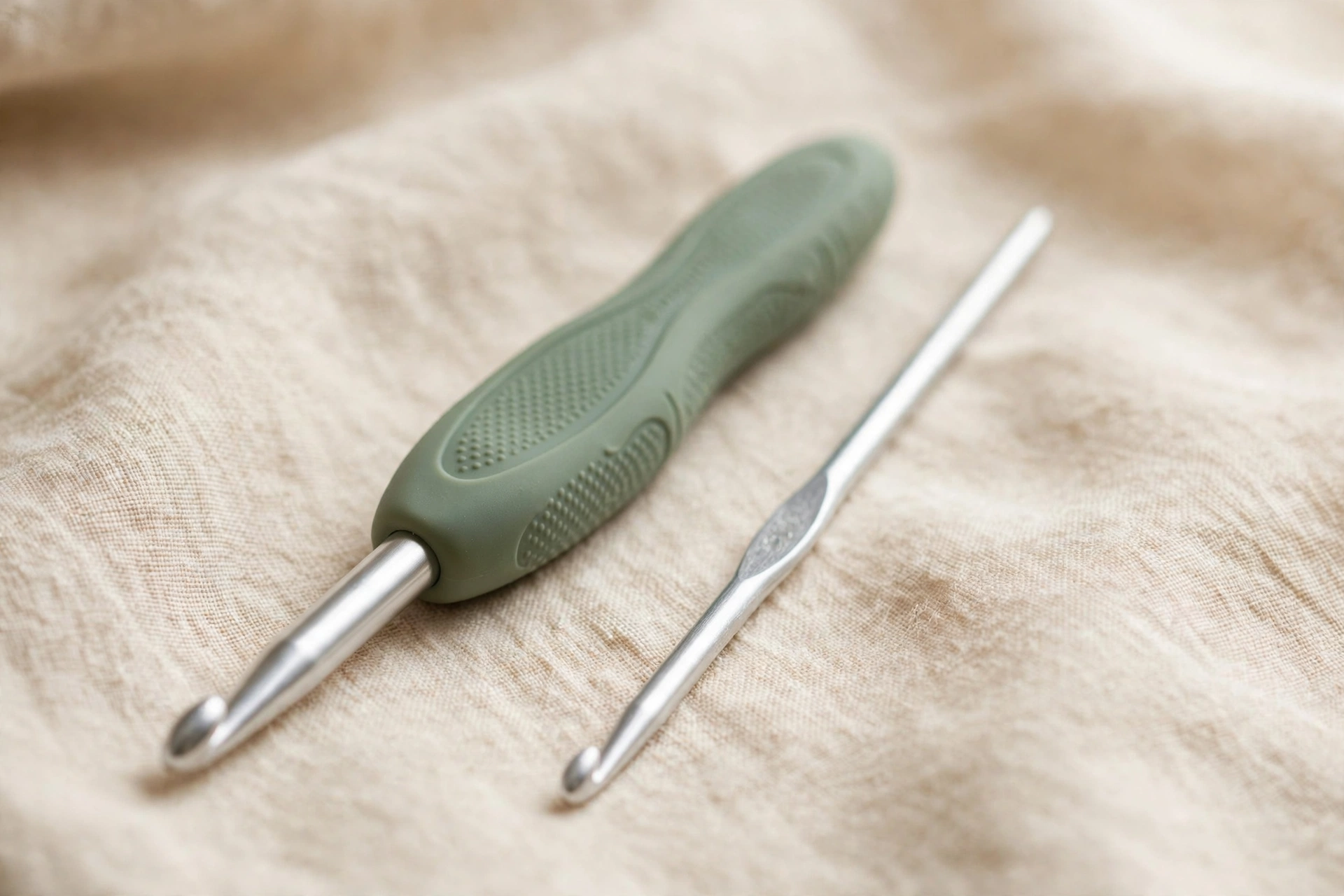
The crochet hook is your main tool, and the size printed on it matters more than you might think. For your first hook, choose a 5mm hook, also labeled H-8 in US sizing. It sits in the sweet spot for beginners: not so small that your stitches feel cramped, and not so large that your work feels loose and floppy.
Pick an ergonomic hook with a soft, cushioned handle rather than a plain metal one. When you are learning, your hands work harder than you expect, and a comfortable grip helps prevent soreness during practice. It also makes it easier to keep an even tension, which is one of the first real skills every crocheter builds.
Check that the size is stamped or printed on the handle so you can identify it later. A single hook is enough for now; you will naturally collect more sizes as you try new patterns. Once yours is home, learn how to hold your crochet hook before you make your first stitch.
2. Yarn: Medium-Weight Acrylic in a Light Color
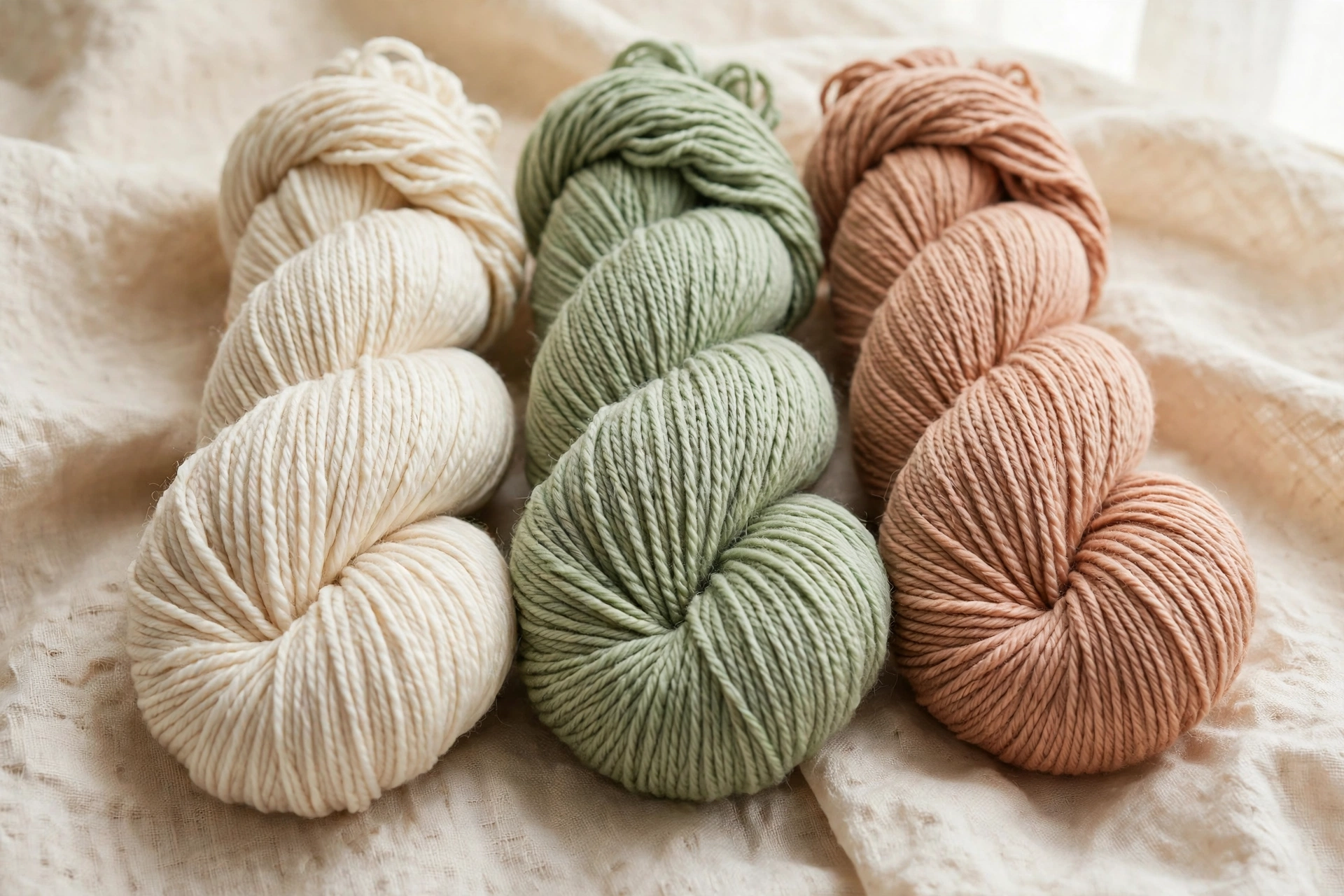
Yarn comes in many weights and fibers, but beginners do best with medium-weight yarn, labeled “worsted” or “Category 4” on the wrapper. It is thick enough that you can clearly see each stitch, yet fine enough to keep your hands relaxed while you work. Most beginner patterns are written for this weight, so you will have endless project options.
Choose acrylic yarn for your first skein. It is affordable, widely available, and forgiving: it slides smoothly on the hook and survives being pulled out and reworked, which you will do plenty of while learning. Pick a light color such as cream, pale yellow, or soft gray, because light yarn makes it far easier to see your stitches and spot mistakes early.
Avoid dark, fuzzy, or textured novelty yarns for now, since they hide your stitches and make learning noticeably harder. One skein is plenty for practice swatches and your first small project. To understand the numbering on yarn labels, the Craft Yarn Council’s Standard Yarn Weight System explains every category. For more on choosing materials, see our tools and yarn guide.
3. Scissors
You will cut your yarn at the end of every project and whenever you change colors, so a small pair of sharp scissors belongs in your kit. Any clean-cutting craft or embroidery scissors will do; they do not need to be fancy or expensive.
Keep them with your crochet supplies rather than in a kitchen drawer. Scissors reserved for yarn stay sharper longer, and you will always know exactly where they are when you finish a row.
4. Tapestry (Yarn) Needle
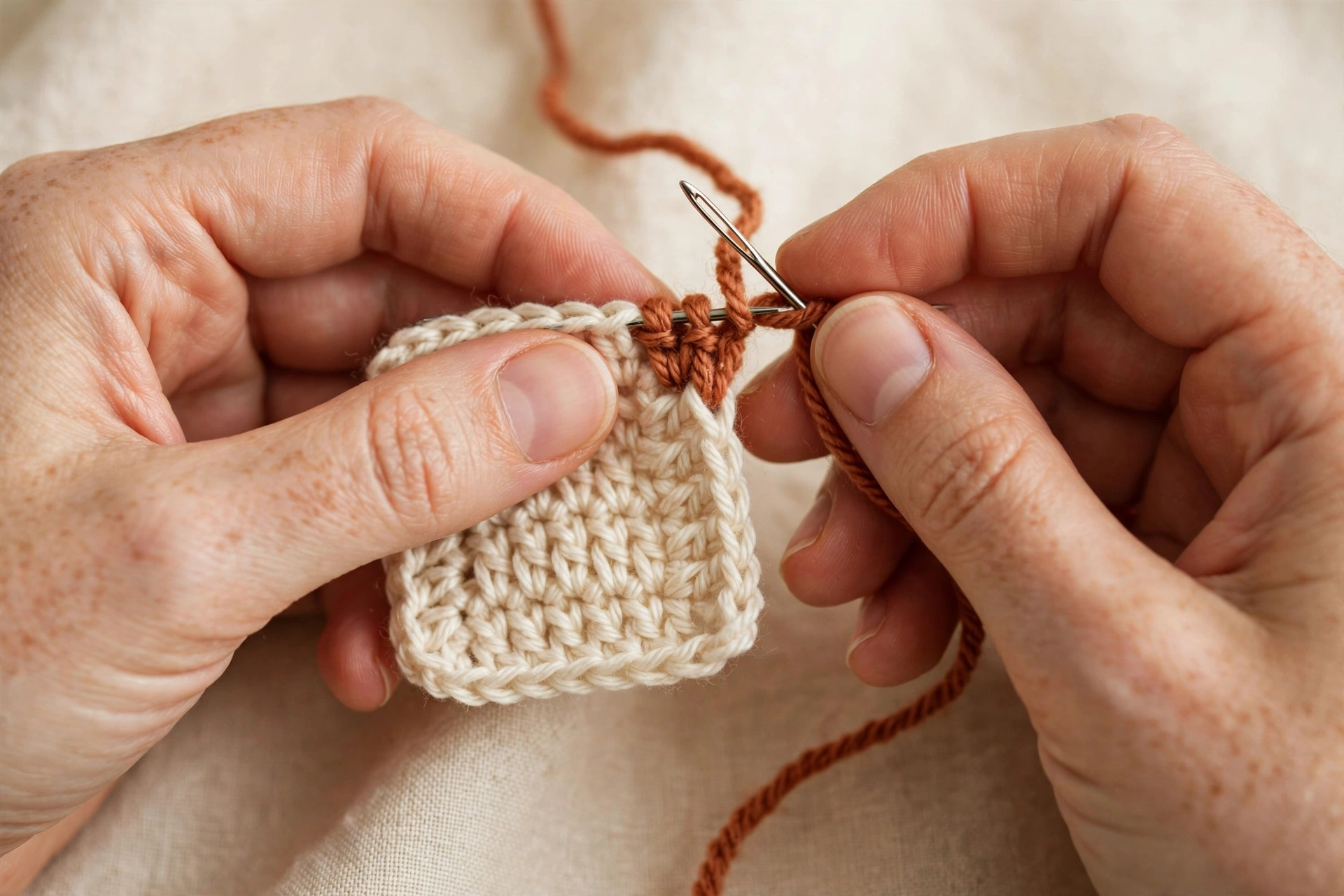
A tapestry needle, also called a yarn needle, is a large, blunt-tipped needle with an oversized eye. You thread your yarn tail through it and weave loose ends into your finished work so they disappear neatly.
Because the tip is blunt, it slides between stitches instead of splitting the yarn fibers. Packs usually include two or three needles in slightly different sizes for around a few dollars. Metal needles last longer, while plastic ones are a fine budget choice to start.
5. Stitch Markers
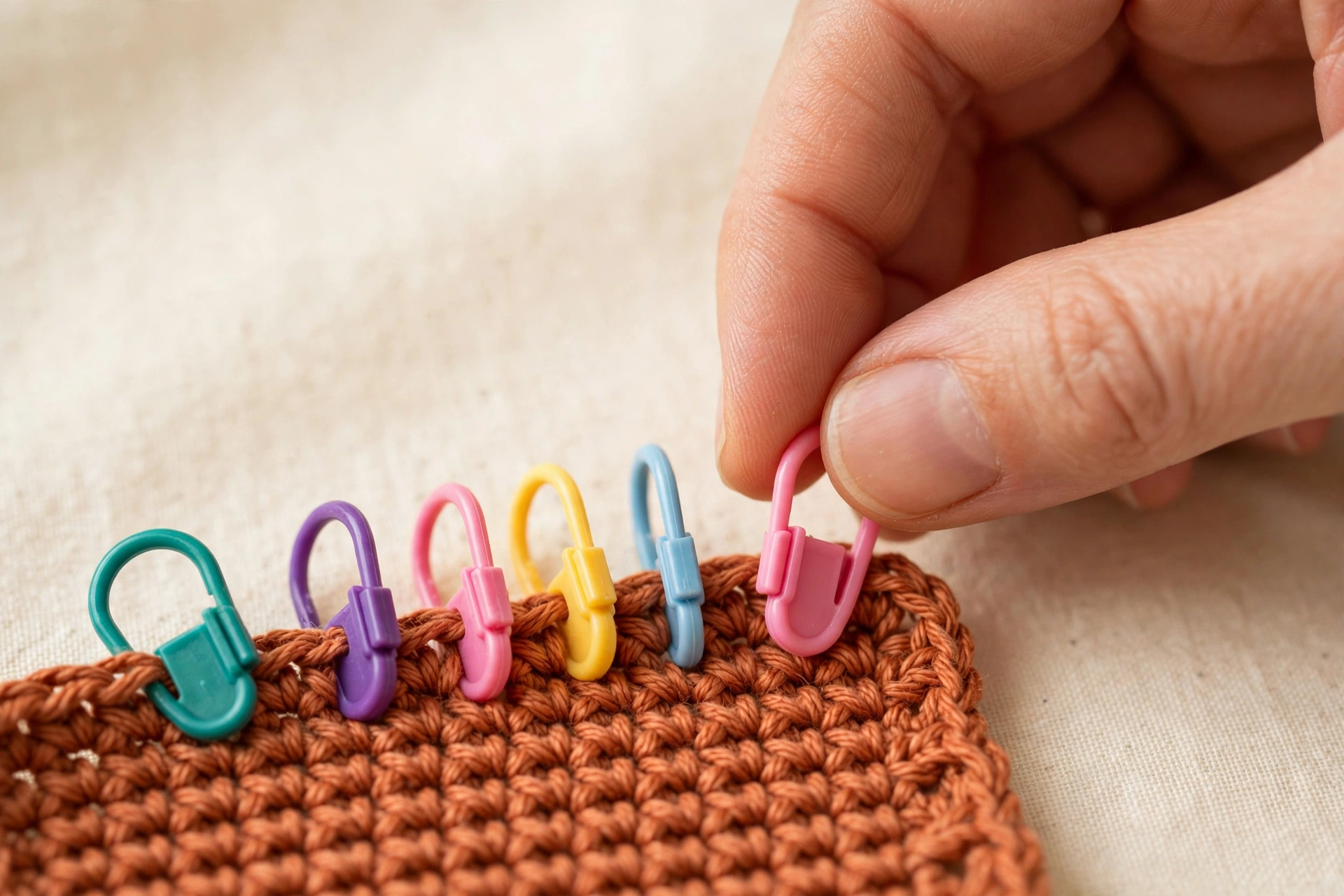
Stitch markers are small clips that mark a stitch you need to find again later. Beginners use them to mark the first stitch of a round, keep track of pattern repeats, or hold a place they want to return to. They save a surprising amount of frustration for such a tiny tool.
Choose locking stitch markers, which open and close like tiny safety pins. They stay put in your work, will not snag the yarn, and are easy to move as your project grows. A pack of ten to twenty markers costs only a few dollars and will last through many projects.
6. Tape Measure (Optional)
A soft, flexible tape measure is the one optional item on this list. You will use it to check the size of your work, measure practice swatches, and follow pattern dimensions as you take on bigger projects.
If you already own one from a sewing kit, there is no need to buy another. If not, a basic retractable tape costs very little and earns its place in your kit quickly.
What NOT to Buy Yet
Walking into a craft store as a beginner can feel overwhelming, and it is easy to overspend on things you do not need yet. Here is what to leave on the shelf for now, and why waiting is the smarter move.
Specialty hooks. Tunisian hooks, tiny steel lace hooks, and light-up hooks all have their place, but none of them help you learn the basic stitches. Master the standard 5mm hook first, then explore specialty tools when a pattern actually calls for one.
Luxury yarn. Hand-dyed, cashmere-blend, and other premium yarns are beautiful, but they are expensive and often trickier to work with. Practice on affordable acrylic until your stitches are even, then treat yourself.
Big all-in-one kits. Kits with dozens of hooks, gadgets, and accessories look like a bargain, but beginners rarely use half of what is inside. Buying just the six items on this list saves money and keeps your first experience simple and calm.
Sample $25 Budget Breakdown
Here is one way the numbers can add up, using typical mid-range prices for each item. Your exact total will vary by store and sales.
- 5mm ergonomic crochet hook — around $6
- 1 skein medium-weight acrylic yarn — around $5
- Small craft scissors — around $3
- Tapestry needle 3-pack — around $3
- Locking stitch markers — around $3
- Soft tape measure — around $2
Sample total: around $22 — comfortably under $25, with a few dollars left over for a second skein or sales tax.
Frequently Asked Questions
What materials do I need to start crocheting?
You need a crochet hook, yarn, scissors, a tapestry needle, stitch markers, and optionally a tape measure. That is the complete list for a beginner. Everything else is a nice-to-have you can add later as your skills grow.
What is the best crochet hook size for beginners?
A 5mm (H-8) hook is the most recommended starting size. It pairs well with medium-weight yarn, keeps your stitches easy to see, and feels comfortable in new hands, especially with an ergonomic handle.
Can I start crocheting with cheap yarn?
Yes, and you should. Affordable acrylic yarn in a light color is ideal for learning because it is smooth, forgiving, and easy to see. Save the specialty yarns for later, when your stitches are even and consistent.
Should I buy a beginner crochet kit or buy items separately?
Buying the six items separately is usually the better choice. Kits often include tools you will not touch for months, while a hand-picked list gives you exactly the right hook size and yarn weight for learning the basics.
How long does it take to learn the basics?
Most beginners can make a chain stitch and a single crochet within their first sitting. With a little daily practice, simple projects like dishcloths or scarves become realistic within a few weeks.
Final Thoughts
Starting crochet does not require a big investment or a long, confusing shopping trip. With six simple supplies and under $25, you have everything you need to learn your first stitches with confidence.
Keep your expectations gentle and enjoy the learning process. Every experienced crocheter once fumbled through their very first chain. When you are ready, continue with our beginner crochet guide to learn your first stitches step by step.
Your Next Step
Now that your supplies are gathered, it is time to pick up your hook. Read how to hold a crochet hook for a comfortable grip from day one, then follow a free beginner tutorial such as Lion Brand’s how to crochet guide to make your first chain stitch.